08 Groundwater Modeling
08-10 MODFLOW Concepts, Packages & Tools
Concepts for model design like time step definition, specifics of packages (GHB, RIV, DRN, MNW, UZF, SFR, etc.).
Contents
| Index | Description |
|---|---|
| 08-10-001 | The Boundary Condition Module |
08-10-001The Boundary Condition Module
| Type: Streamlit app | Time: 4-8 hours |
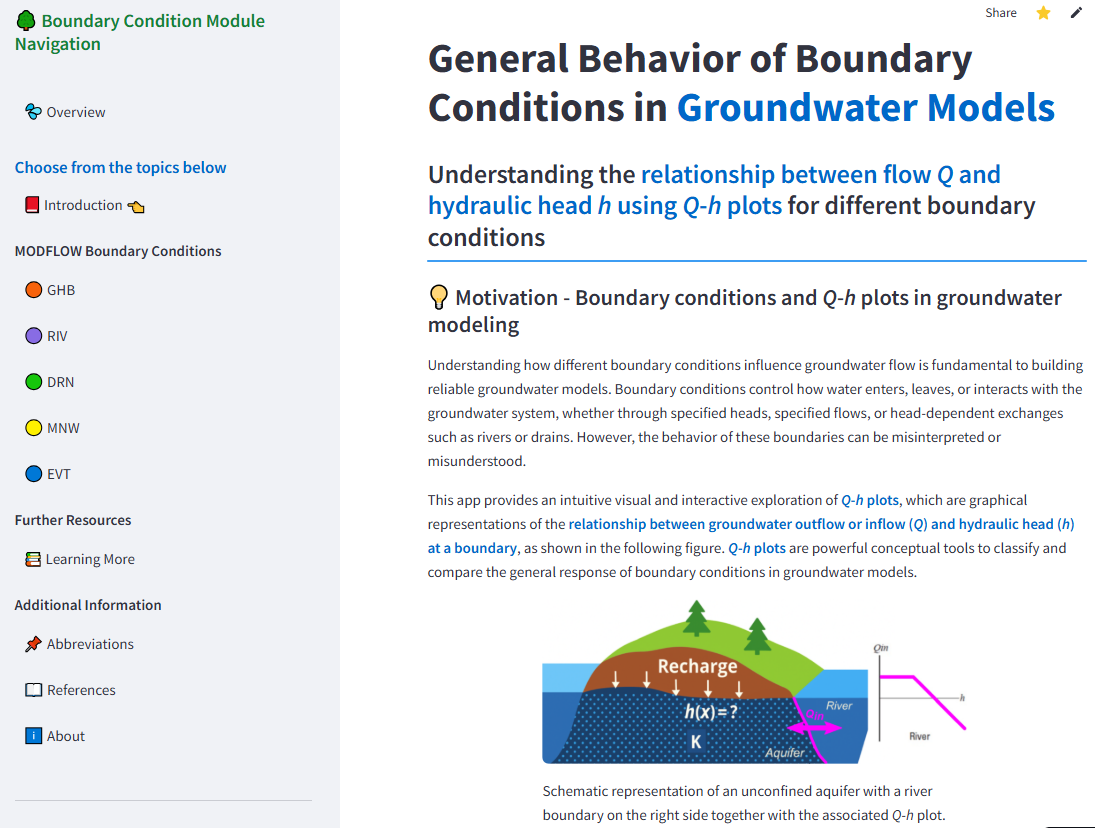
Figure 1: The Boundary Condition Module as a complex interactive learning module. (Screenshot)
Groundwater models are only as good as the accuracy of both the system representation (including boundary conditions) and the values of observations used to calibrate the model. This interactive module is designed to deepen the understanding of the basic ways in which different types of boundary conditions - specified head, specified flow, and head-dependent flow - influence the magnitude and direction of groundwater flow when used in solving the partial differential equation for groundwater flow.
This module offers intuitive visualizations, conceptual explanations, and interactive tools to help bridge theory and application for beginning modelers, advanced students, and practicing hydrogeologists.
This module is intended for beginners who know a little about groundwater models and are ready to learn about boundary conditions, as well as advanced and experienced users who wish to refresh their understanding of specific boundary types. A basic familiarity with hydrogeology and groundwater flow is recommended, but no prior experience with MODFLOW is required.
Structure of the module: The Introduction Section provides an overview of groundwater models and introduces the role of boundary conditions in MODFLOW. Following this, each MODFLOW basic boundary condition (GHB, RIV, DRN, MNW2, ET) is presented in its own dedicated section, where the concepts, applications, and implications are explained in detail.
The Module is published in ZENODO as: Reimann, T., Poeter, E., & Kuniansky, E.L. (2025a). Boundary Condition Module. An interactive educational resource for The Groundwater Project. https://doi.org/10.5281/zenodo.17624993
| Detail | Value |
|---|---|
| URL | gwp-boundary-conditions-ana… · open app |
| Author(s) | Thomas Reimann (TU Dresden); Eileen Poeter (Colorado School of Mines); Eve L. Kuniansky (retired from USGS) |
| Keywords | Groundwater modeling, MODFLOW, boundary condition, GHB, RIV, DRN, MNW2, ET, Q-h plots |
| Fit For | self learning |
| Prerequisites | Basic hydrogeology, 1D groundwater flow equation, basic knowledge about groundwater modeling |
| References | Reimann, T., Poeter, E., & Kuniansky, E.L. (2025a). Boundary Condition Module. An interactive educational resource for The Groundwater Project. https://doi.org/10.5281/zenodo.17624993 |
Streamlit app details
| Detail | Value |
|---|---|
| Multipage app | yes – approx. 2 page(s) |
Images
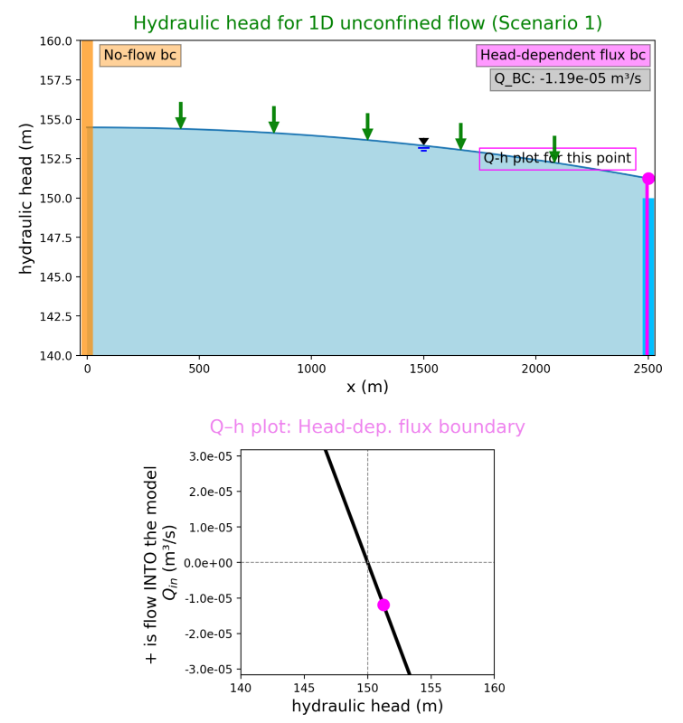
Figure 2: The analytical solution for 1D flow in an unconfined aquifer to support the explanation of Q-h plots (discharge Q stage h relationship).. (Screenshot)
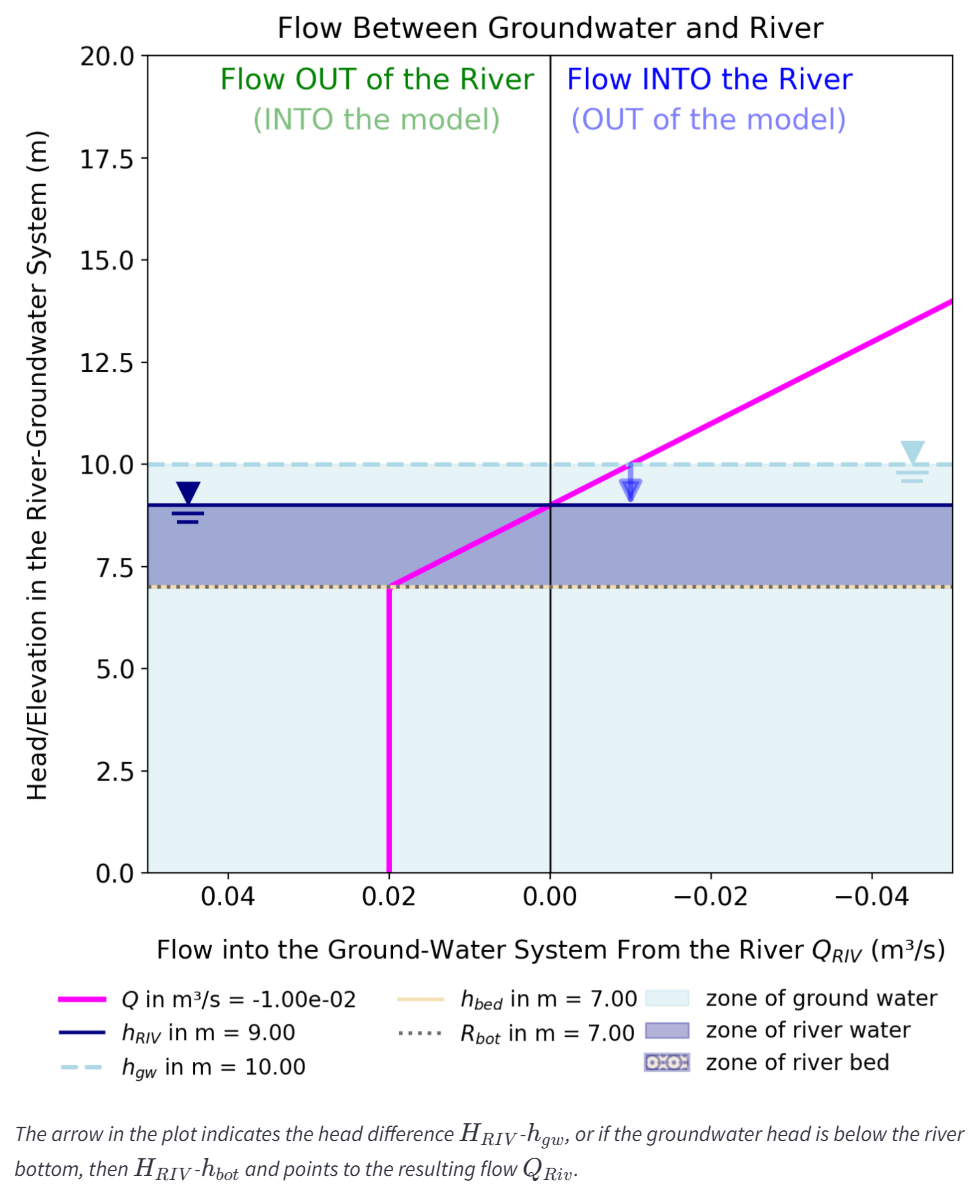
Figure 3: The interactive Q-h plot for the RIV boundary with visual support. (Screenshot)