04 Vadose Zone Physics
04-01 Soil Properties
Basic physical characteristics influencing unsaturated flow: texture, structure, porosity, bulk density, and pore-size distribution.
Contents
| Index | Description |
|---|---|
| 04-01-001 | Soil Texture Triangle |
| 04-01-002 | Soil Texture Classes |
04-01-001Soil Texture Triangle
| Type: Jupyter Notebook | Time: 5–15 min |
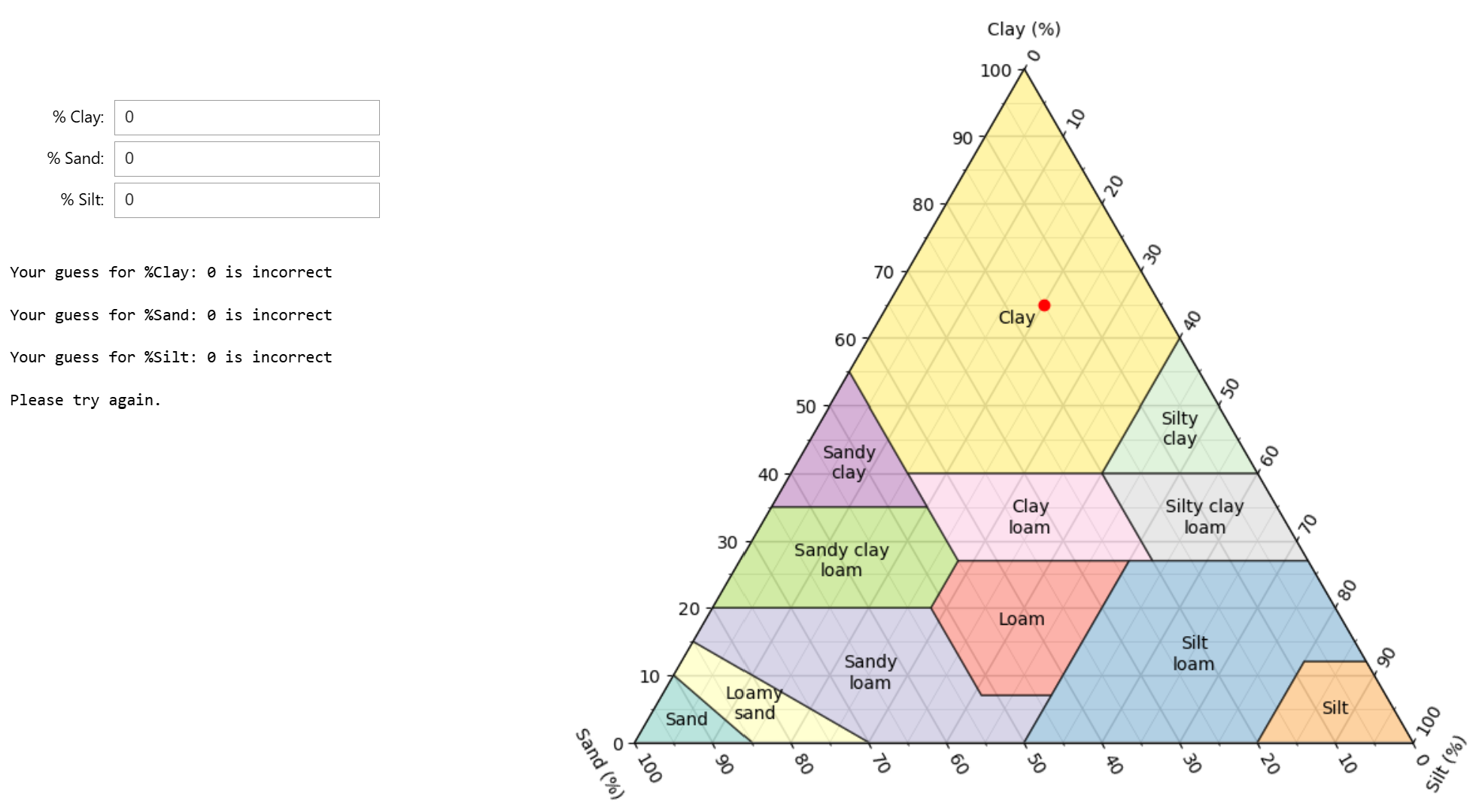
Figure 1: Screenshot of the Jupyter Notebook (Screenshot)
This Notebook illustrates how the percentages of the particle-size classes sand, silt, and clay determine the soil texture and how these can be read from a soil texture triangle.
| Detail | Value |
|---|---|
| URL | github.com · open repository |
| Author(s) | Steffen Birk (Universität Graz, Institut für Erdwissenschaften); Edith Griesser (Universität Graz, Institut für Erdwissenschaften) |
| Keywords | soil classification |
| Fit For | exam preparation |
| Prerequisites | None |
04-01-002Soil Texture Classes
| Type: Streamlit app | Time: 5–15 min |
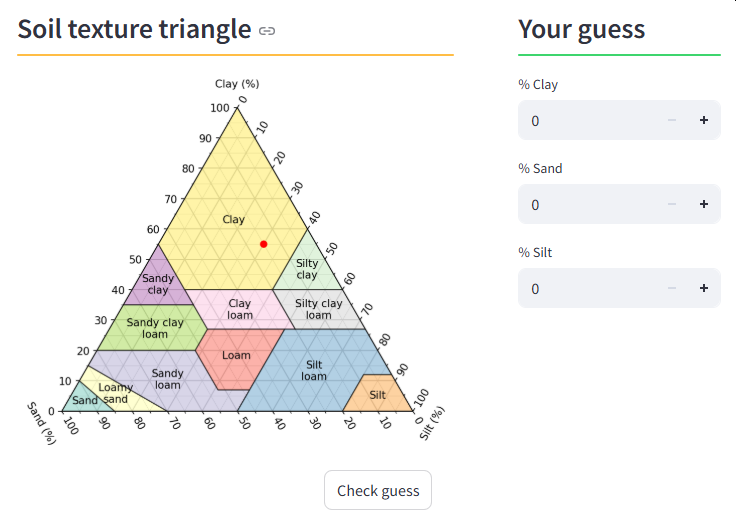
Figure 1: The soil triangle diagram. (Screenshot)
This interactive Streamlit app helps learners understand how the relative proportions of sand, silt, and clay define a soil texture class in a soil texture triangle (e.g., FAO, 2006). A randomly generated soil sample is displayed as a red point in a ternary diagram, and users estimate the corresponding percentages by entering values for clay, sand, and silt.
After submitting their guess, the app provides instant feedback indicating which components are correct or incorrect. A restart button generates a new sample point so users can practice repeatedly and build intuition for reading and interpreting soil texture triangles.
| Detail | Value |
|---|---|
| URL | soil-texture-triangle.strea… · open app |
| Author(s) | Steffen Birk (Universität Graz, Institut für Erdwissenschaften); Edith Griesser (Universität Graz, Institut für Erdwissenschaften) |
| Keywords | soil, soil types, gamification, random parameters |
| Fit For | self learning, online teaching, exam preparation |
| Prerequisites | soil properties, soil types |
| References | {‘FAO (2006)’: ‘Guidelines for soil description, 4th ed. Food and Agricultural Organization of the United Nations, Rome.’} {‘Ikeda, Yuji (2024)’: ‘yuzie007/mpltern 1.0.4. Zenodo. https://doi.org/10.5281/zenodo.11068993’} |
Streamlit app details
| Detail | Value |
|---|---|
| Interactive plots | 1 interactive plot(s) |